This guide contains affiliate links to eBay. See the note at the end.
Quick answer: Identify your Alphard or Vellfire by chassis code (AGH30, GGH30 or AYH30 for the 30 series; ANH20, GGH20 or ATH20 for the 20 series) and build date, not the badge. The 2AR-FE, 2GR and 2AZ-FE engines were also used in Australian-market Toyotas, so some engine service parts may be found locally by part number, while body, brake, suspension, lighting and interior parts are Alphard-specific.
Parts in this guide, with live eBay listings
 Toyota Alphard / Vellfire 30 Series (AGH30, AYH30, GGH30) Cabin Air Filter
from 7.81 GBP · 1 live listings →
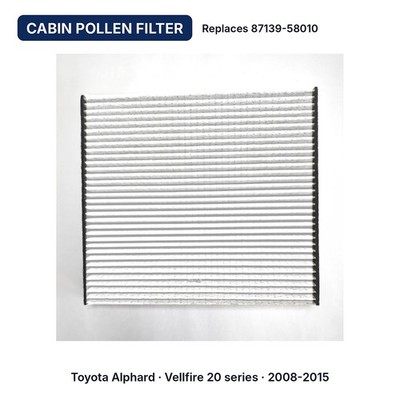 Toyota Alphard / Vellfire 20 Series (ANH20, GGH20, ATH20) Cabin Air Filter
from 24.80 AUD · 4 live listings →
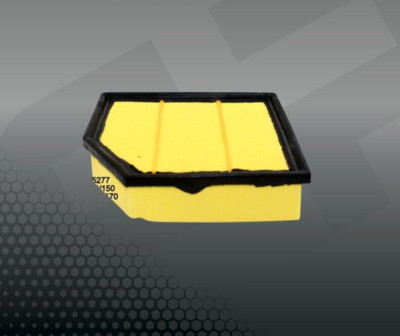 Toyota Alphard / Vellfire 30 Series (AGH30, AYH30, GGH30) Engine Air Filter
from 27.99 AUD · 3 live listings →
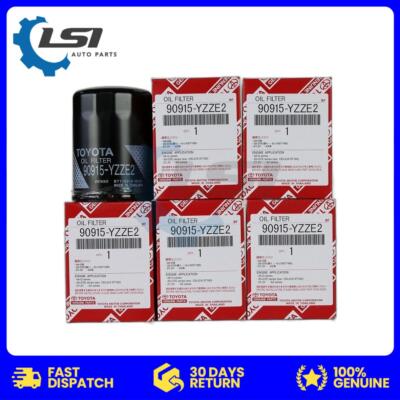 Toyota Alphard / Vellfire 30 Series (AGH30, AYH30, GGH30) Oil Filter
from 26.00 AUD · 5 live listings →
 Toyota Alphard / Vellfire 20 Series (ANH20, GGH20, ATH20) Engine Air Filter
from 33.00 AUD · 6 live listings →
Toyota Alphard / Vellfire 20 Series (ANH20, GGH20, ATH20) Oil Filterfrom 26.00 AUD · 7 live listings →
Lowest prices across eBay AU, US, UK and DE as of 23 Oct 2026. Prices change, check eBay. Ad / affiliate links.
Say "Alphard" at a parts counter in Australia and you may get a blank look, because Toyota Australia never sold the 20 or 30 series new. It's a lot of van to be invisible in. This guide shows you how to identify your exact Alphard or Vellfire by chassis code, which engine parts it shares with Aussie-market Toyotas, and how to order the Alphard-only parts without guesswork.
It's written for Australian owners, but it works the same way for imports in New Zealand and the UK.
Step 1: Work out exactly which Alphard you have
The Alphard and Vellfire are sister models. They share almost all mechanical parts but wear different front-end styling. For parts, the chassis code matters far more than the badge.
30 series (2015–2023)
| Chassis code | Engine | Notes |
|---|---|---|
| AGH30 / AGH35 | 2.5 L petrol, 2AR-FE | 35 = 4WD |
| GGH30 / GGH35 | 3.5 L V6, 2GR-FE, then 2GR-FKS | V6 changed at the facelift (on sale January 2018) |
| AYH30 | 2.5 L hybrid, 2AR-FXE | E-Four hybrid AWD |
20 series (2008–2015)
| Chassis code | Engine | Notes |
|---|---|---|
| ANH20 / ANH25 | 2.4 L petrol, 2AZ-FE | 25 = 4WD |
| GGH20 / GGH25 | 3.5 L V6, 2GR-FE | 25 = 4WD |
| ATH20 | 2.4 L hybrid, 2AZ-FXE | E-Four hybrid AWD |
Your chassis code is on the Japanese export certificate, on the model plate, and at the start of the frame number (for example AGH30-0123456). New to this? Our guide to reading a Japanese model code explains every part of it, or paste the code from your papers into our free Model Code Lookup to see which Alphard you have.
The facelift matters. The 30 series was facelifted at the end of 2017, with the updated cars on sale from January 2018. The V6 changed from the 2GR-FE to the 2GR-FKS at that point, and lights and trim changed too. A GGH30 built in 2017 and one built in 2018 can need different engine parts, so always go by build date, not the year the car was registered or imported.
Good news: the engines are shared with Aussie Toyotas
The Alphard's engines also went into Toyotas sold new in Australia:
- 2AR-FE (2.5 L petrol, AGH30): also in the Australian-market Camry and RAV4 of the 2010s.
- 2GR V6 (GGH20, GGH30): the 2GR family also powered the Australian Aurion, Kluger and Tarago V6.
- 2AZ-FE (2.4 L petrol, ANH20): used in the Australian Camry, RAV4 and Tarago of the 2000s.
So some engine service parts, such as oil filters and spark plugs, may be easy to find locally. Don't assume, though. The same engine can use different parts in a different car. Match by part number, or ask the parts counter to look up your engine code rather than "Alphard".
Body, brake, suspension, lighting and interior parts are a different story. They're Alphard-specific, and that's where specialist and Japanese sellers come in.
The parts you'll buy most often
Cabin air filter
The Alphard has a big cabin with a lot of air moving through it. A clogged cabin filter means musty smells and weak airflow to the rear seats. It's cheap and usually easy to change yourself (your owner's manual shows where it is).
→ Alphard / Vellfire 30 cabin air filters · 20 series
Engine air filter and oil filter
Check these against your chassis code. The V6 and the four-cylinder use different parts, and on the 30-series V6, check whether yours is a pre- or post-facelift engine.
→ 30 series engine air filters · 30 series oil filters
→ 20 series engine air filters · 20 series oil filters
Front brake pads
The Alphard is heavy, especially loaded with a family and luggage, so pads matter. Brake parts vary by engine, drivetrain and sometimes wheel size. Confirm with the seller using your frame number.
→ 30 series front brake pads · 20 series
Spark plugs
Expect long-life iridium plugs, and match the plug to your engine code. On the transverse V6, the rear bank usually means taking the intake plenum off, so many owners leave this job to a mechanic.
→ 30 series spark plugs · 20 series
Wiper blades
Blades on a used import are often perished by the time the car reaches you, and the Alphard's tall windscreen shows every streak. Measure both sides, as driver and passenger lengths usually differ.
→ 30 series wiper blades · 20 series
12V battery
Imports can sit for weeks at port and in compliance, and the 12V battery suffers. On the AYH30 hybrid, the 12V battery doesn't crank the engine, but if it's flat the hybrid system won't switch on. Match the Japanese size code on your current battery, or the part number (see how to read JIS battery codes).
The import-only problems
These are the things owners of Japanese-market Alphards run into that local Toyota owners don't:
- The radio only picks up part of the FM band. Japanese radios use a different FM range. A band expander is the cheap fix. → FM band expanders
- The navigation and TV are Japan-only. Many owners swap in an Android head unit, which needs a fascia kit made for the Alphard's dash. → 30 series fascia kits · 20 series
- The owner's manual is in Japanese. Translated English manuals are sold for most grey-import models. → 30 series English manuals · 20 series
- Child seat anchor points. In Australia, check that your compliance plate or importer covered child restraint anchorages, and use the correct bolts. → Child restraint anchor bolt kits
For the rest of the "nobody warned me" list, see 10 week-one surprises of a Japanese import. For more on the head unit, see our guide to fixing the radio, reverse camera and steering controls on a Japanese import.
How to buy Alphard parts online without the guesswork
- Search by chassis code ("GGH30 front brake pads"), not just "Alphard".
- Send your frame number to the seller before you buy. Sellers who specialise in Japanese cars can usually check it against Toyota's catalogue.
- Check your build date against any "pre-facelift" or "facelift" wording.
- Look at the landed cost, including shipping and GST, and compare it with a local Toyota dealer quote for anything shared with Aussie models.
See all Toyota Alphard & Vellfire Parts with live eBay prices →
FAQ
What is the difference between the Alphard and the Vellfire?
They're sister models that share almost all mechanical parts but wear different front-end styling. For parts, the chassis code matters far more than the badge.
Which engine is in my Alphard?
On the 30 series, AGH30/AGH35 is the 2.5 L 2AR-FE petrol, GGH30/GGH35 the 3.5 L V6 (2GR-FE, then 2GR-FKS) and AYH30 the 2.5 L 2AR-FXE hybrid. On the 20 series, ANH20/ANH25 is the 2.4 L 2AZ-FE, GGH20/GGH25 the 3.5 L 2GR-FE V6 and ATH20 the 2.4 L 2AZ-FXE hybrid.
Does a 2017 GGH30 take the same engine parts as a 2018 one?
Not always. The 30 series facelift went on sale in January 2018 and the V6 changed from the 2GR-FE to the 2GR-FKS, so go by build date rather than registration or import year.
Can I buy Alphard service parts from a local Toyota dealer?
Sometimes. The 2AR-FE, 2GR V6 and 2AZ-FE also went into Australian Camry, RAV4, Aurion, Kluger and Tarago models, but the same engine can use different parts in a different car, so match by part number or ask the counter to look up your engine code.
Why won't my AYH30 hybrid switch on with a flat 12V battery?
On the AYH30 the 12V battery doesn't crank the engine, but if it's flat the hybrid system won't switch on. Match the Japanese size code on your current battery or the part number when replacing it.
All our Alphard and Vellfire pages are in one place: Grey Import Family Cars. Each one searches eBay Australia, the US, the UK and Germany together, and you choose how to sort the results.
Ad / Affiliate links: YOU SHOULD, SHA. Parts links to eBay. We earn a commission from eBay on qualifying purchases made through those links, at no extra cost to you. We are not eBay and not the seller. Always confirm fitment with the seller or a qualified mechanic.